Culantro #
Eryngium foetidum
Quick Info #
- Distribution & habitat: prevalent in Caribbean Islands, Central America, Mexico and South America – open rocky places at elevations of 700 to 1200 m (as in Nepal); meadows, plantations, waste places, along roadsides and forest edges, from lowland areas up to 1700 m
- Cultivation: well-drained, fertile soil with full sun or semi-shade
- Family: Apiaceae (Umbelliferae)
- Name origin: Eryngium is derived from the Greek sea holly, Eryngium vulgare, while the Latin foetidum means bad odour
- Other names: false coriander, fitweed, hom-pomkula, long coriander, maelaedo, pak chi lao, phakchi farang, sawtooth coriander, serrated coriander, spiny coriander, spiritweed, stinkweed, thorny coriander, Vietnamese coriander
- Plant: biennial or perennial
Description #
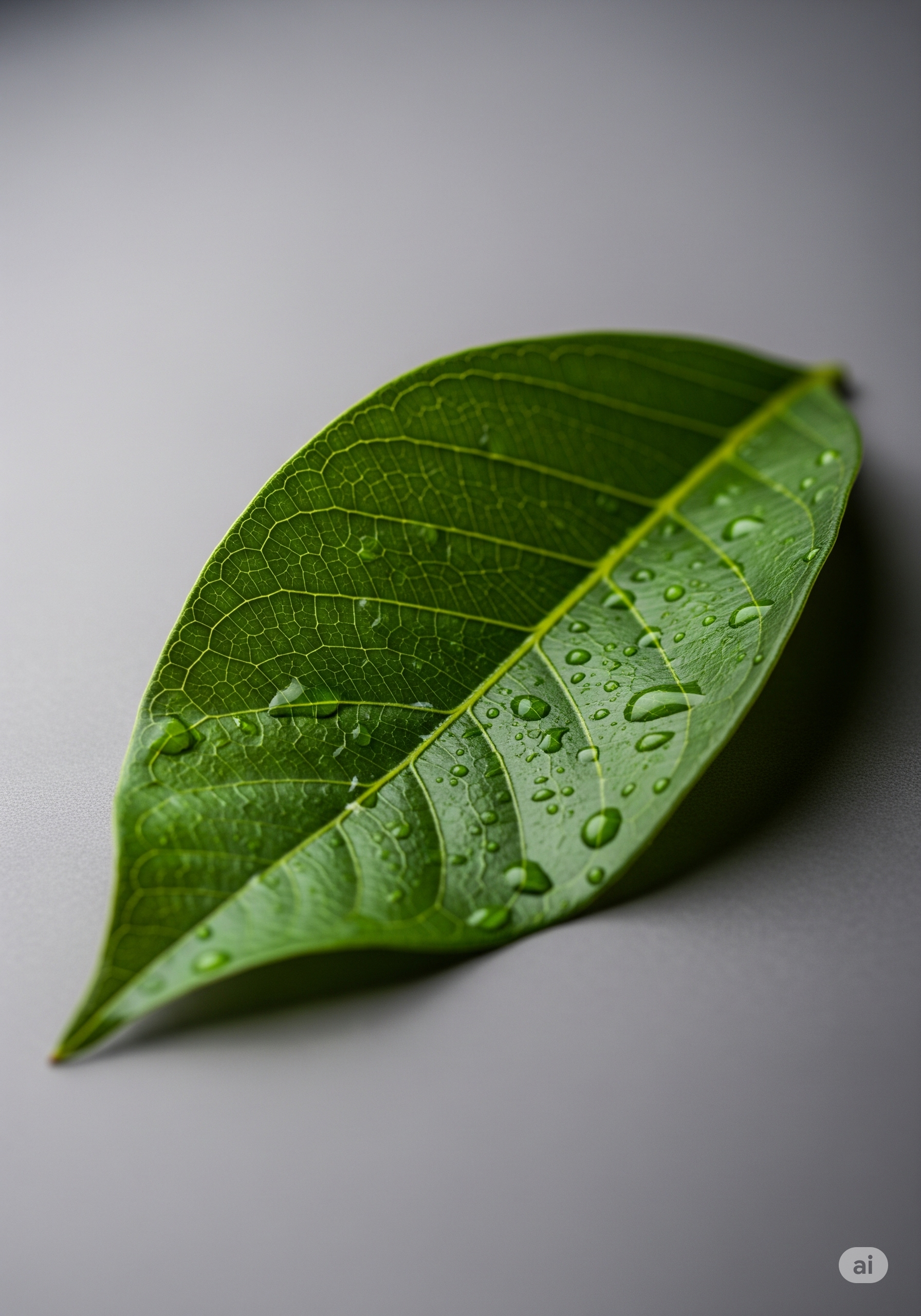
The culantro is a small, evergreen, upright plant with fibrous roots. The oblanceolate, smooth leaves have finely-toothed margins. The creamy-white flowers grow in a cylindrical cluster with a dome-shaped top.
Uses & Ecology #
Warning: the culantro root has abortifacient properties.
Culantro leaves are used as a strong, coriander-like flavouring, often in Asian and Caribbean cooking. They can be eaten raw or cooked. Seeds are also used as flavouring.
It is said that a culantro tea treats constipation, diabetes, diarrhoea, fevers, flu, and vomiting. Culantro also has analgesic and anti-inflammatory properties. It contains calcium, carotene, iron, and riboflavin.
The root has abortifacient properties. It is reportedly used in India to treat stomach pains. Hydropsy is treated with an infusion. The root has also been used to flavour soups. It is eaten raw for scorpion stings.
A culantro decoction is known for anti-malarial usage and haemorrhage treatment. Culantro can be boiled in water which is then used as a herbal bath or as medication for chicken pox and measles.
An infusion of the leaves, which are considered laxative, is used to treat chills, fevers, grippe and head colds. The leaves are also said to stimulate the appetite when eaten. From the Culantro seed, an essential oil can be distilled.
Considering its tolerance of very hot weather, it is favoured in areas where true coriander does not grow very well. Compared to plain coriander, culantro dries better, retains colour and flavour, and is better suited to be cooked.
The plant has reported traditional medicine use in Jamaica to treat children’s colds and convulsions.
The common name “fitweed” is due to reported anti-convulsant properties.
Caution: Do not medically use or ingest any plant parts before consulting a qualified health practitioner. Any mentioned traditional uses are based on cultural practices and anecdotal evidence. They are not necessarily clinically proven or supported by modern scientific studies.
References #
- Fern, K. (2024) Eryngium foetidum. Available at: https://tropical.theferns.info/viewtropical.php?id=Eryngium%20foetidum (Accessed: 12 January 2026)
- Flora & Fauna Web (2024) Eryngium foetidum. Available at: https://www.nparks.gov.sg/florafaunaweb/flora/4/8/4850 (Accessed: 13 January 2026)
- Mountain Herb Estate (n.d.) Seed Information. Available at: https://www.herbgarden.co.za/mountainherb/seedinfo.php?id=444 (Accessed: 13 January 2026)
- Ramcharan, C. (1999) Culantro: A Much Utilized, Little Understood Herb. Available at: https://scispace.com/pdf/culantro-a-much-utilized-little-understood-herb-4lfzjxtx7n.pdf (Accessed: 13 January 2026)
- WorldCrops (2004) Culantro. Available at: https://worldcrops.org/crops/culantro/index.html (Accessed: 14 January 2026)