Oregano #
Origanum species
Quick Info #
- Distribution & habitat: Mediterranean regions
- Cultivation: prefers full sun (with midday shade for gold leaf forms) and alkaline, dryish, light, nutrient-rich, well-drained soil; doesn’t need very frequent watering in hot weather
- Family: Labiatae
- Name origin: from the Greek words oros ganos, meaning “joy of the mountain”
- Propagation: division – pull off mature sprigs and plant them in wet sand
- Plant: perennial
Description #
There is some confusion as to the proper naming of oregano and marjoram. In this article, the latter is referred to as a subdivision of the former, which is used as an umbrella term for all variants.
Among the over 25 species of Origanum, the greatest height of growth is about 60 cm. The different varieties are considerably distinctive in physical characteristics, from creeping and compact to tall and prolific. Marjoram, a variety not as pungent or strong as the others, can make for a border of beauty if grown for the purpose and properly trimmed. Another matter of variability between varieties is adaptability to various weather conditions.
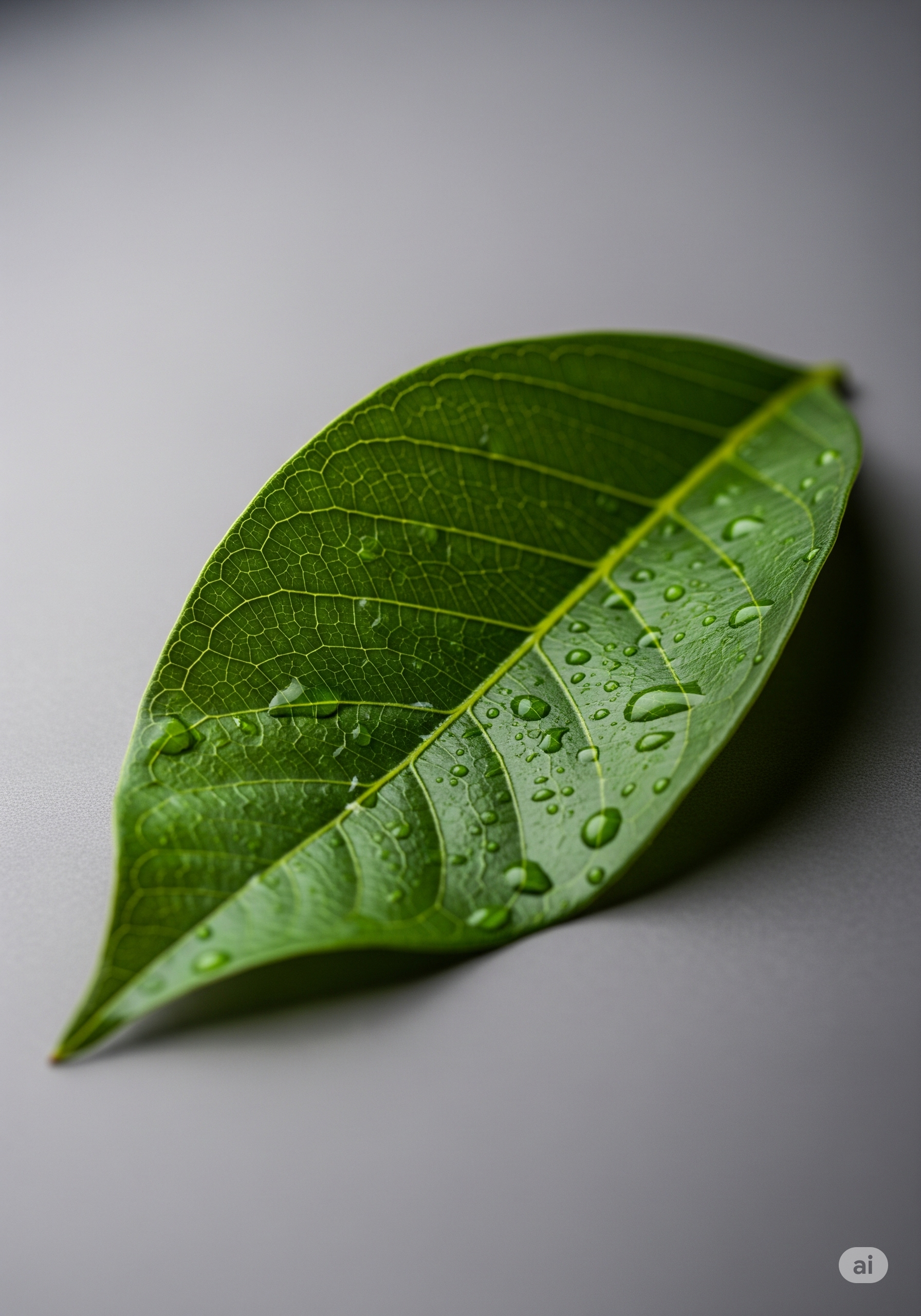
Commonly, the dark- to mid-green leaves are oval and pointed. The roots come out of the horizontal stems wherever they touch the soil. The seeds are dark-brown, tear-shaped and tiny. The red-mottled, green stems are erect to lax, hairy and round.
Available at Kruiekraal:
- Creeping oregano (Origanum vulgare): this is also called common oreganum or wild marjoram, and is distinguished from other varieties by wiry stems and medium-green, slightly pointed leaves.
Uses & Ecology #
The pungency and spiciness of oregano complements a vast range of dishes, like casseroles, egg dishes and pizza. As for the marjoram variety – it goes really well with tomato-based dishes. Oregano also forms part of the dried herb mixture known as Herbes de Provence.
Oregano has digestive properties and is used to treat various ailments like flu and nausea. Chewing a sprig of oregano is said to clear mouth infections, ease toothaches and sweeten the breath. Ancient Egyptian use of oregano was reportedly for disinfectant, healing and preservative purposes.
Oregano attracts bees and butterflies, and can be companion-planted next to strawberries, which will ripen remarkably on the living mulch of the herb. Oregano face steamer treats oily problem skin, and the herb was actually used to brew ale in Britain before hops were used. The Greeks and Romans used marjoram in wreaths for crowning bridal couples.
Caution: Do not medically use or ingest any plant parts before consulting a qualified health practitioner. Any mentioned traditional uses are based on cultural practices and anecdotal evidence. They are not necessarily clinically proven or supported by modern scientific studies.
References #
- Bremness, L. (1998) The Complete Book of Herbs: A practical guide to growing & using herbs. South Africa: Southern Book Publishers (Pty) Ltd.
- Hey, B. (1992) A Celebration of Herbs for the South African Garden & Home. Cape Town: Struik Publishers (Pty) Ltd.
- Roberts, M. (1993) Alles oor Kruie. Cape Town: Struik Publishers.
- Roberts, M. (2012) My 100 Favourite Herbs. Cape Town: Struik Nature.