Saba Nut (Sabaneut) #
Pachira glabra
Quick Info #
- Distribution & habitat: tropical America – alluvial plains and lowland rainforest; has spread into Africa
- Family: Malvaceae
- Florescence: -
- Fruiting: -
- Leaf habit: evergreen or semi-deciduous
- Name origin: “glabra” means hairless or glabrous
- Other names: American chestnut, guinea peanut, lucky tree, pachira nut
Description #
Growing up to around 17–18 metres tall, but usually shorter, the tropical saba nut has a rather narrow trunk at around 30–40 centimetres in diameter. The trunk is known for its bright-green appearance and is sometimes swollen at the base.
The branches are arranged in a radiating pattern like that of a star. They are hairy when young, then hairless.
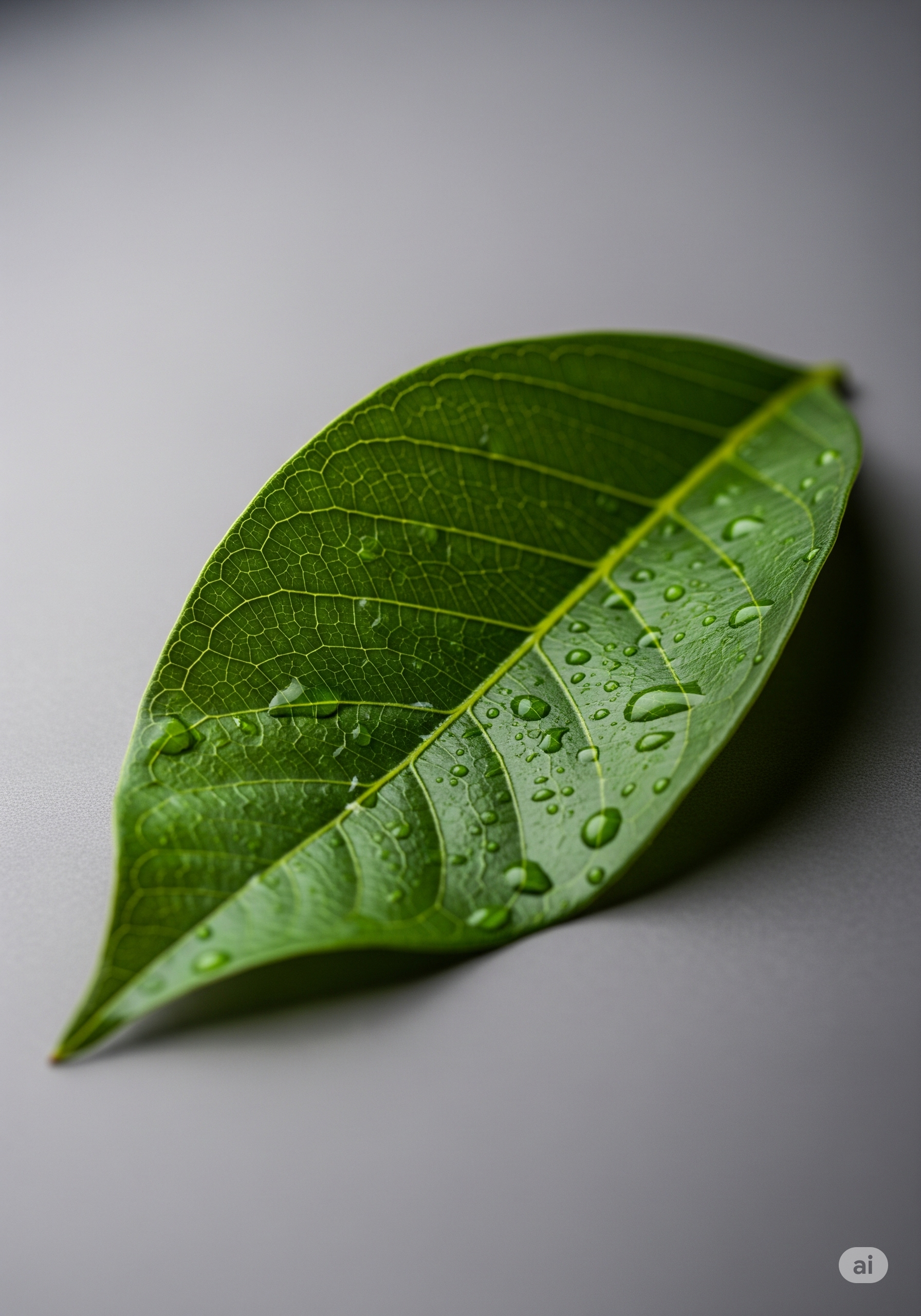
The glossy-green, palmate leaves grow on long stalks and have five or more leaflets. The flowers, usually solitary in the axils, come out nocturnally, showing their elongated, green petals and curved, white stamen.
The ovoid, smooth fruit is a green capsule, which splits to reveal seeds.
Uses & Ecology #
The saba nut is sought after for its aesthetic value, which is accentuated by its green bark. It is a good choice for planting in narrow streets and can even be grown in hedge form.
One incentive for cultivation has been the seed, which can be eaten raw or cooked. It is rich in oil and can also be roasted or boiled.
The wood is light and not very durable. Still, it can be used to make things like toys and boxes.
Traditional medicinal uses have included wound-healing, inflammation management and snakebite treatment. The plant may treat gastrointestinal disorders and skin infections due to reported antimicrobial activity. It may also protect against aging-related diseases and cellular damage due to its antioxidant effects.
Caution: Do not medically use or ingest any plant parts before consulting a qualified health practitioner. Any mentioned traditional uses are based on cultural practices and anecdotal evidence. They are not necessarily clinically proven or supported by modern scientific studies.
References #
- ECHO Community. (n.d.) Available at: https://www.echocommunity.org/en/resources/d1175130-7fa9-4acb-8d4e-02060ee3f86c (Accessed: 1 December 2025)
- Fern, K. (2025) Available at: https://tropical.theferns.info/viewtropical.php?id=Pachira+glabra (Accessed: 1 December 2025)
- Hyde, M.A., Wursten, B.T., Ballings, P. & Coates Palgrave, M. (2025) Flora of Zimbabwe: Cultivate Plants: Species information: Pachira glabra. Available at: https://www.zimbabweflora.co.zw/cult/species.php?species_id=164050&ishow_id=1 (Accessed: 1 December 2025)
- NMPP (n.d.) Pachira glabra. Available at: https://nmppdb.com.ng/species-details?specy=%20pachira-glabra (Accessed: 1 December 2025)