Comfrey (Smeerwortel) #
Symphytum officinale
Quick Info #
- Distribution & habitat: indigenous to Asia and Europe
- Cultivation: full sun or, in very hot areas, light shade, but needs moisture to grow well (suffers during droughts); favours rich, moist soil
- Family: Boraginaceae
- Name origin: “comfrey” comes from the Latin confervére, which means to grow together, in this case referring the herb’s medieval reputation of joining broken bones.
- Other names: boneset, bruisewort, knitbone
- Plant: perennial (dying down in winter in some areas)
Description #
Brought to Britain by the Crusaders, and arriving in America in the 17th century, comfrey was thought by monks to be a panacea. The herb grows 30 to 60 cm high, and sends down a 3 m or longer taproot to raise minerals and moisture to the upper soil.
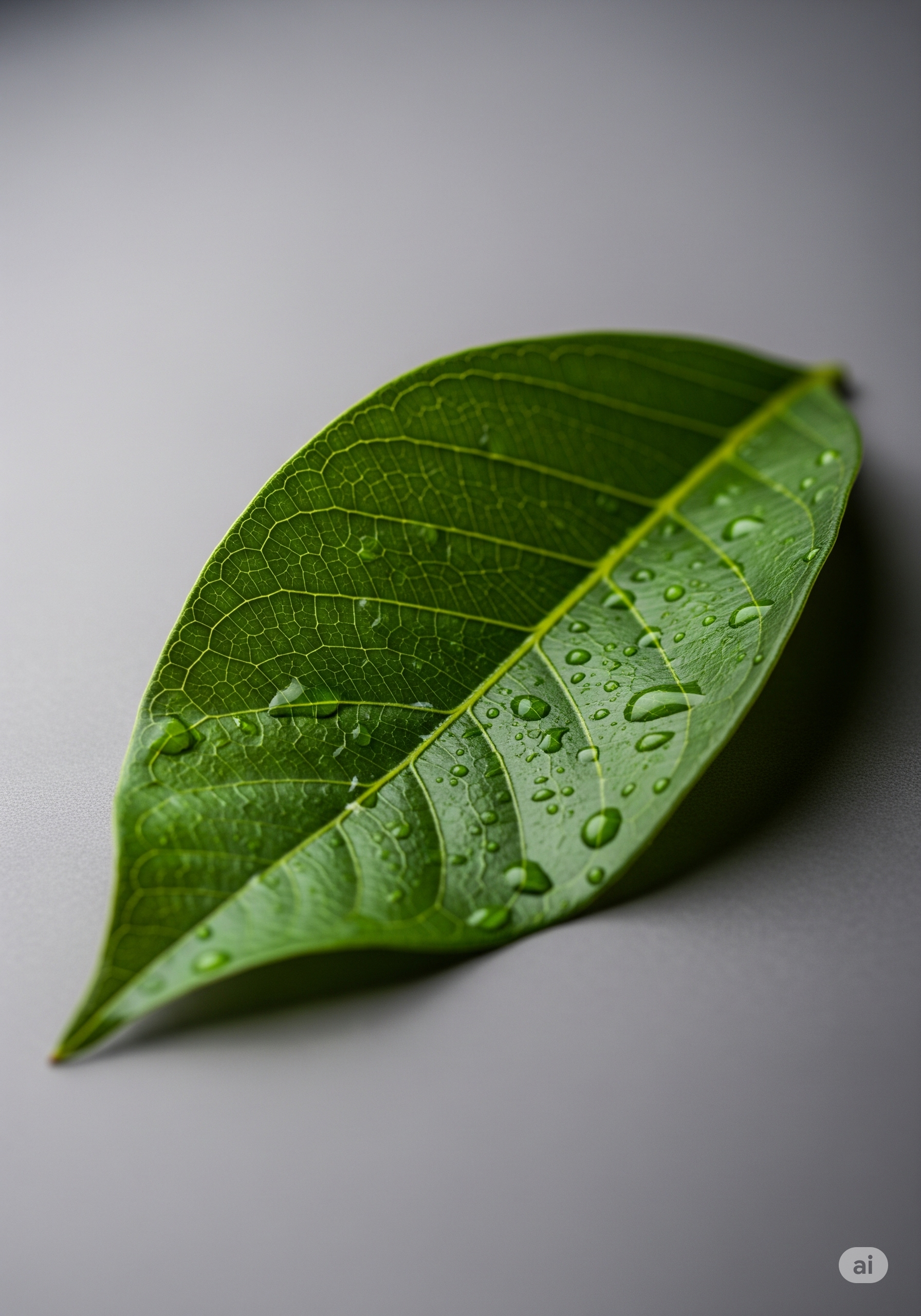
The dark-green, rough, thick-ribbed, broad, somewhat hairy basal leaf has an oval base and tapers to a pointy end. Together, the leaves grow in a fountain-like formation. The flowers are spiral-stemmed, drooping bells, shading from white to blue to purple (depending on variety), and growing in clusters. The stem of the plant itself is hairy and rough, and it branches near the top. The root is brown-black, penetrating, tapering and thick.
Uses & Ecology #
Warning: contact your doctor before consuming comfrey. Some research has shown that it may damage the liver and induce tumors. Oral formulations have been banned in some countries.
Comfrey has been used for various reported medicinal purposes, including treatment of arthritis, bruises, burns, fractures, pneumonia, sports injuries, tuberculosis and water blisters.
Crushing the leaves forms a glue-like substance. Placing this substance on an arthritic joint or injured limb allows for the absorption of the allantoin (a protein that encourages cell division) found in the leaves. This is done to speed up the healing process. A skin oil can also be made from the leaves, and the sap from fresh leaves can be applied to insect bites and stings. Comfrey poultice is applied to treat sprains or cuts, soothe inflammation and pain, and drain abscesses and boils. Bed sores and leg ulcers are said to respond to comfrey in an aqueous cream base.
The finely-chopped young leaves can be used in salads, soups and stovetop meals. Young leaves can also be used in batter and served with salt and pepper. Comfrey leaves contain some calcium, phosphorous, potassium, and vitamins A, C and B12. The protein content is relatively high.
The herb does rather well in recipes for skin cream, which is considered treatment for eczema, hemorrhoids, poorly healing wounds, psoriasis and skin ulcers. Comfrey is used in lotions and washes for various skin ailments. It is said to revitalise, smooth and soften the skin. The leaves and roots are added to bath water for this purpose. A bath of comfrey is also said to restore virginity, but this seems unlikely!
Comfrey tea is drunk to ease chest congestion in cases of bronchitis or pneumonia, and to treat stomach ulcers. The tea is also thought to speed up the healing of broken bones.
Comfrey is used in fertilisation, soil-boosting and the making of compost for potatoes and tomatoes. In its diluted form, it can be sprayed onto leaves as a foliar feed, or used to water seedlings. The chopped leaves can also be used as a leaf covering 48 hours after being picked.
Ailing cattle and horses are said to seek out comfrey leaves naturally. Comfrey is grown as fodder crop and used in cattle, horse, pig and poultry feed.
The fresh leaves can be boiled for a rich, golden fabric dye.
Caution: Do not medically use or ingest any plant parts before consulting a qualified health practitioner. Any mentioned traditional uses are based on cultural practices and anecdotal evidence. They are not necessarily clinically proven or supported by modern scientific studies.
References #
- Bremness, L. (1998) The Complete Book of Herbs: A practical guide to growing & using herbs. South Africa: Southern Book Publishers (Pty) Ltd
- Craze, R. & Webb, M.A (2004) The Herb & Spice Companion. New York: Barnes & Noble Inc.
- Goldman, R. (2025) What Is Comfrey (Symphytum)? Available at: https://www.healthline.com/health/what-is-comfrey#risks (Accessed: 15 January 2026)
- Hey, B. (1992) A Celebration of Herbs for the South African Garden & Home. Cape Town: Struik Publishers (Pty) Ltd.
- Roberts, M. (1993) Alles oor Kruie. Cape Town: Struik Publishers.
- Roberts, M. (2012) My 100 Favourite Herbs. Cape Town: Struik Nature.
- Foster, S. & White, L.B. (2000) Kruie in die Apteek. Parklands: Jacklin Publishers.