Thyme (Tiemie) #
Thymus species
Quick Info #
- Distribution & habitat: originating in Mediterranean regions
- Cultivation: light and well-drained, preferably alkaline, soil and full sun
- Family: Labiatae
- Name origin: from the Greek word thymon, meaning “courage”
- Propagation: stem cuttings
- Plant: perennial
Description #
Most immediately remarkable of thyme upon closer inspection would probably be its pleasant smell. The Greek expression “to smell of thyme” is thus said to have been an expression of praise. Thyme is said to have some of the most common and universal use, which ranges from culinary to medicinal.
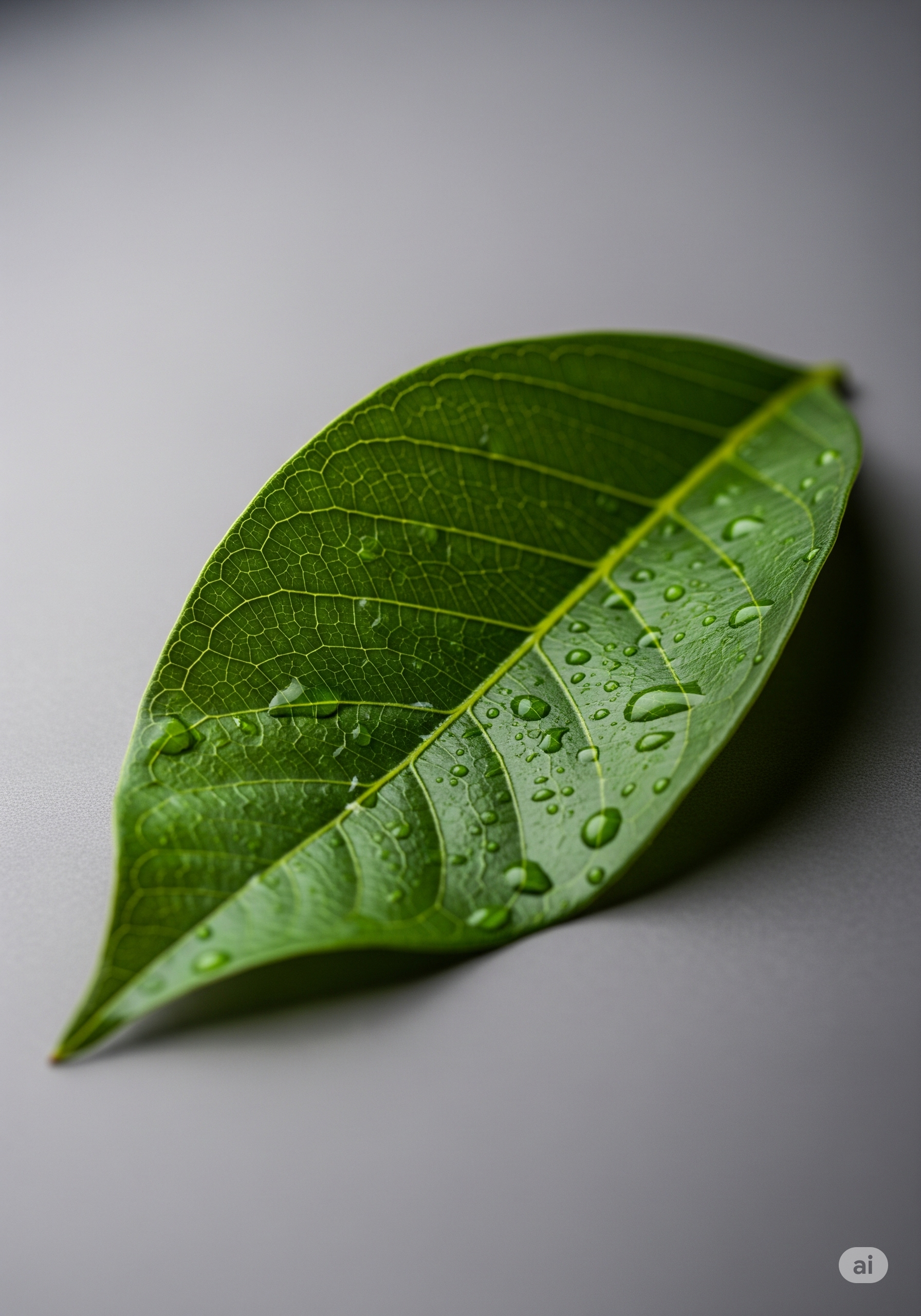
Commonly, the flower is pale lilac. The leaf is aromatic, hairy, mid-green and pointed oval. The root is fine and greyish-brown, forming a dense mat. The seed is brown, shiny, spherical and tiny. The stem is green-brown and square, becoming woody at a later stage of the plant’s lifetime.
Available at Kruiekraal:
- Creeping Thyme (Thymus serpyllum): good companion plant for repelling insects and best used in sweet dishes.
Uses & Ecology #
Whole thyme shrubs can be grown as low hedges and, in the case of creeping thyme, as ground covering. Thyme also has decorative value. The leaves and flowers look good in bouquets.
The leaf of common thyme has various culinary uses, such as in herbal vinegar, soups, stocks and stuffings. Thyme is a good ingredient if you are cutting back on salt. The flowers and leaves are used in potpourri. Creeping thyme (Thymus serpyllum) is used to make thyme tea.
The Greeks reportedly included oil of thyme in their massage after bathing. Roman soldiers bathed in thyme water as a way to become more vigorous. The use of thyme in Egyptian embalming is attributed to its antiseptic and preservative properties.
Thyme also has antispasmodic, digestive and expectorant properties. It particularly is thought to help with the digestion of fatty foods and is used to soothe fungal and inflammatory conditions.
Thyme attracts bees and the honey is sought-after. A strong thyme decoction is used as a household disinfectant.
Caution: Do not medically use or ingest any plant parts before consulting a qualified health practitioner. Any mentioned traditional uses are based on cultural practices and anecdotal evidence. They are not necessarily clinically proven or supported by modern scientific studies.
References #
- Bremness, L. (1998) The Complete Book of Herbs: A practical guide to growing & using herbs. South Africa: Southern Book Publishers (Pty) Ltd.
- Roberts, M. (1993) Alles oor Kruie. Cape Town: Struik Publishers.
- Roberts, M. (2012) My 100 Favourite Herbs. Cape Town: Struik Nature.